

Is This Normal?
A dispatch from the upside-down
This is what I wanted to write about: how do we decide what’s normal, what’s natural, and what’s right—and what is the relationship between those three things? That was the question that launched my investigation into gender, or was, perhaps, the motor running beneath it.
All three of those words, it turned out, were just as difficult to define as gender was. Does normal simply mean what’s most common, or is there a moral component to it—a range of acceptability? Does natural mean evolved to be a certain way, or just that something occurs in nature? Does natural mean innate—a word, I’ve learned, that’s also tricky to define? If so, does it refer to a trait or behavior that remains regardless of evolution? Can something be normal and wrong? Unnatural and right? Abnormal and natural and neither wrong nor right?
After all, nature is full of beings that will do anything to survive—rape and murder and theft, interrupted by the occasional act of animal altruism, otherwise known as my favorite thing on the entire internet: unusual animal friendships.

But, back to the food chain… where do morals fit in?
I’ve been turning these concepts over in my mind for years now, without much progress. Then, on Saturday night, I was talking to a stranger at a party about the environment in which our school-aged kids had been raised, and about why so many teenagers and young adults are struggling emotionally. I realized that, in the 21st century, we’d created a new relationship between these concepts.
Think about the world in which kids who were born after 2000 were raised. They were told that the categories of boy and girl were socially constructed, and that their membership in these categories was based on how much they hewed to stereotypes. The most fundamental aspect of being human, reinvented as fuzzy logic, and then laced with a strange morality, in which the worst thing you could be was the most normal and natural: a stereotypical boy or girl.
The normal and natural feelings of discomfort during puberty were branded as proof that they weren’t stereotypical boys or girls, that they were something purer, more sacred, more vulnerable, requiring protection and the imprimatur of everyone around them—even strangers on the internet, or anyone who referred to them in the third person.
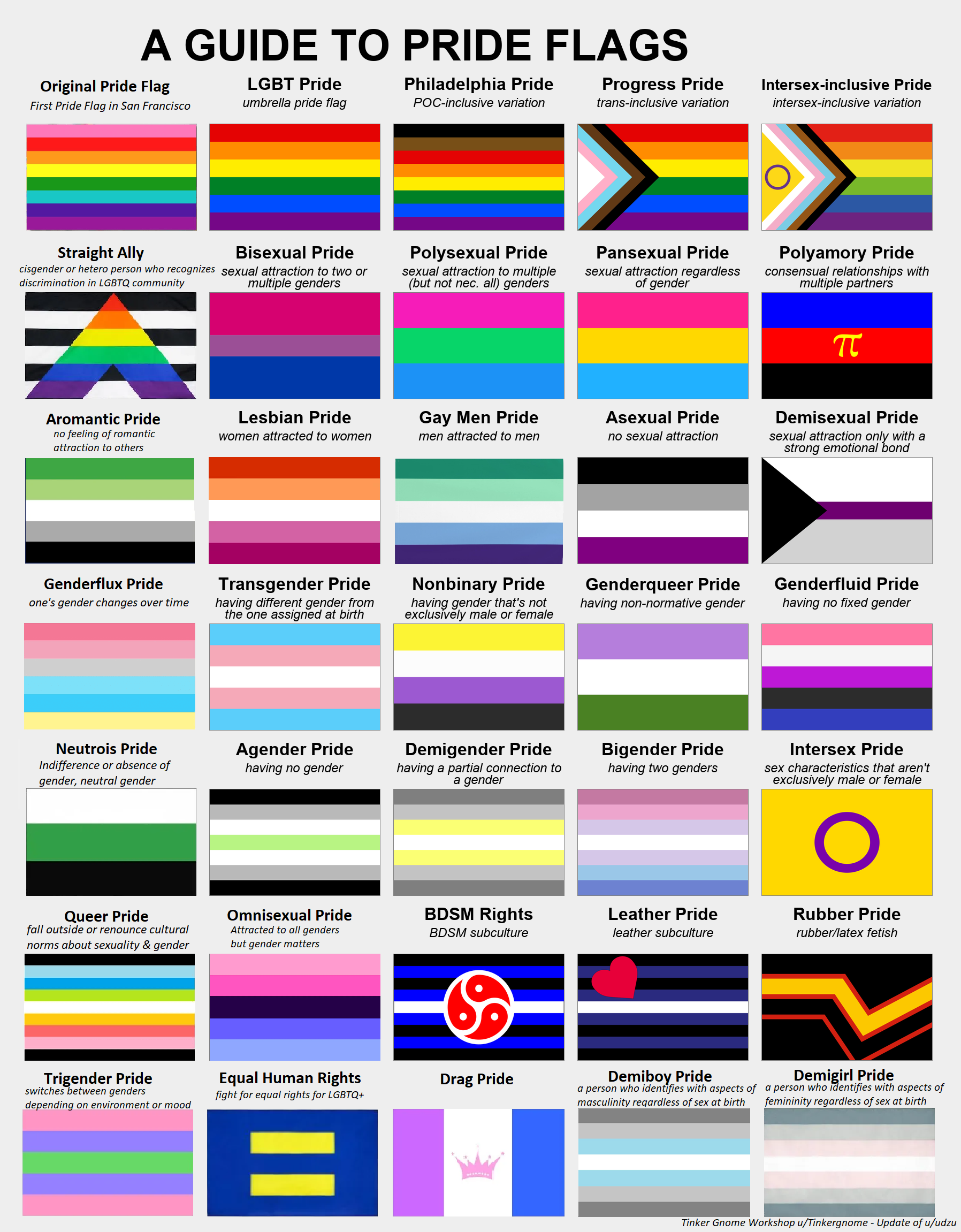
We made the colorful flags of nouveau gender identities and sexualities, and juxtaposed them against the gray scaled cisgender flag—which no one has ever flown. It was bad to be in the majority, because that rendered one an automatic oppressor.

That is: we took what was normal and natural and rendered it morally wrong. We made kids scared and disdainful of normalcy and nature. We separated right from normal and natural.
In doing so, we trained young people to not believe their own eyes or their own instincts. In confusing them about the basic facts of life, we made them malleable, institutionalizing the work of cults: breaking down one’s identity, one’s sense of reality, one’s ability to resist. We made the upside-down right-side up.
We “Orwelled” most of a generation. Yes, I have rendered Orwell a verb! Because altering language is key to this unpended linguistic hierarchy.
Once your ability to speak the truth is removed, your ability to recognize the truth fades away. This, I think, is one of the many reasons that it’s so hard for young people to desist or detransition. To release these ideas is to accept that the adults in the room—and those running the institutions that peddeled these ideas—have lied to you. It is to realize that you’ve been looking at the world upside-down. It is mind-bending psychological vertigo.
Many adults, of course, have had that feeling. We politically homeless liberals now live outside the blue bubble, aware that much of what our friends and neighbors believe is not accurate, to say the least. But we’ve had a lifetime to work on the skills to handle it, and the ability, especially now, to network and find compatriots and support. As a kid, that’s so much harder.
The greatest antidote to the upside-down is the reorienting nature of truth. But these kids, as they learn it, will also need something else to believe in. We haven’t done a great job at offering alternatives. Many people went full MAGA as a reaction to the unbearable betrayal by liberals and Democrats. But MAGA is fracturing, too. We need a new party. We need a new faith. We need a new belief system.
For me, the closest thing are those principles pitched by the Mill Institute—less certainty, more curiosity—or Heterodox Academy: seeking multiple perspectives. Intellectual humility. Pursuit of knowledge. Allowing people space to change their minds. But how do we interpolate those concepts into the broader culture, not just academia? How do we not only destigmatize the truth, but celebrate the pursuit of it? How do we help those who’ve been led to think black is white, white is black, and there’s no such thing as gray, to see in full color?
Please leave your thoughts, suggestions, critiques, or just funny jokes in the comments.
About now is when parents must steel themselves for another holiday season of family gatherings marred by this reality of an Orwell brand of dystopia: This is the season when the river of sadness that most of us live with overflows its banks and swamps whatever platform of "cope" each of us had constructed for ourselves out of distractions or working on other meaningful areas of our remaining lives. For parents and extended family, this Thanksgiving will be once-again defaced by this "upside-down" culture, resulting in either the absence of children estranged from us, or the presence of "trans-believer" children (who invariably bring along with them an uninvited guest: the "trans ideology" elephant in the room that's impossible for non-believer parents to ignore).
In addition to making the normal and natural uncool, we have also pathologized it. Social anxiety in middle school now requires good parents to send children to therapy and then medicalization. SSRIs can cause sexual dysfunction, numbness, etc. And then we wonder why they feel alienated from their bodies, why they aren’t building romantic relationships, etc.