

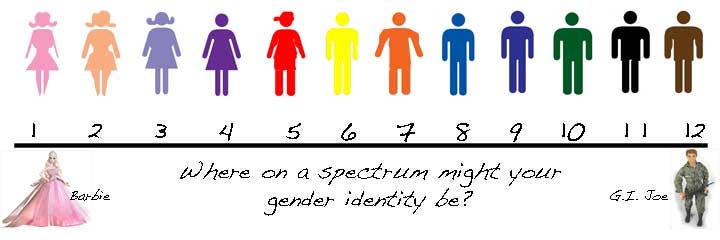
In May 2021, when I was freelancing regularly for CNN, my editor assigned me a story about a new study suggesting that nearly 10 percent of high school students were “gender-diverse.” By that time, I knew things. A few persistent parents of trans-identified kids—scientists, who knew how to evaluate studies—had been writing to me, explaining that the research didn’t say what I kept reporting that it did: evidence-based, life-saving. I knew that Finland and Sweden had begun their u-turns. I knew that there were more detransitioners (though in the end I ceded to the gentle pressure to remove that word from the article). And I knew that kids were mixing up gender stereotypes and sex, thinking they were born in the wrong body if they were neither GI Joe nor Barbie on the spectrum of masculine and feminine.
So I worked some of that into the piece, asking whether gender expression and gender identity were being medicated, and noting the changes in Europe. They labeled the story “analysis,” to suggest it was not straight reporting.
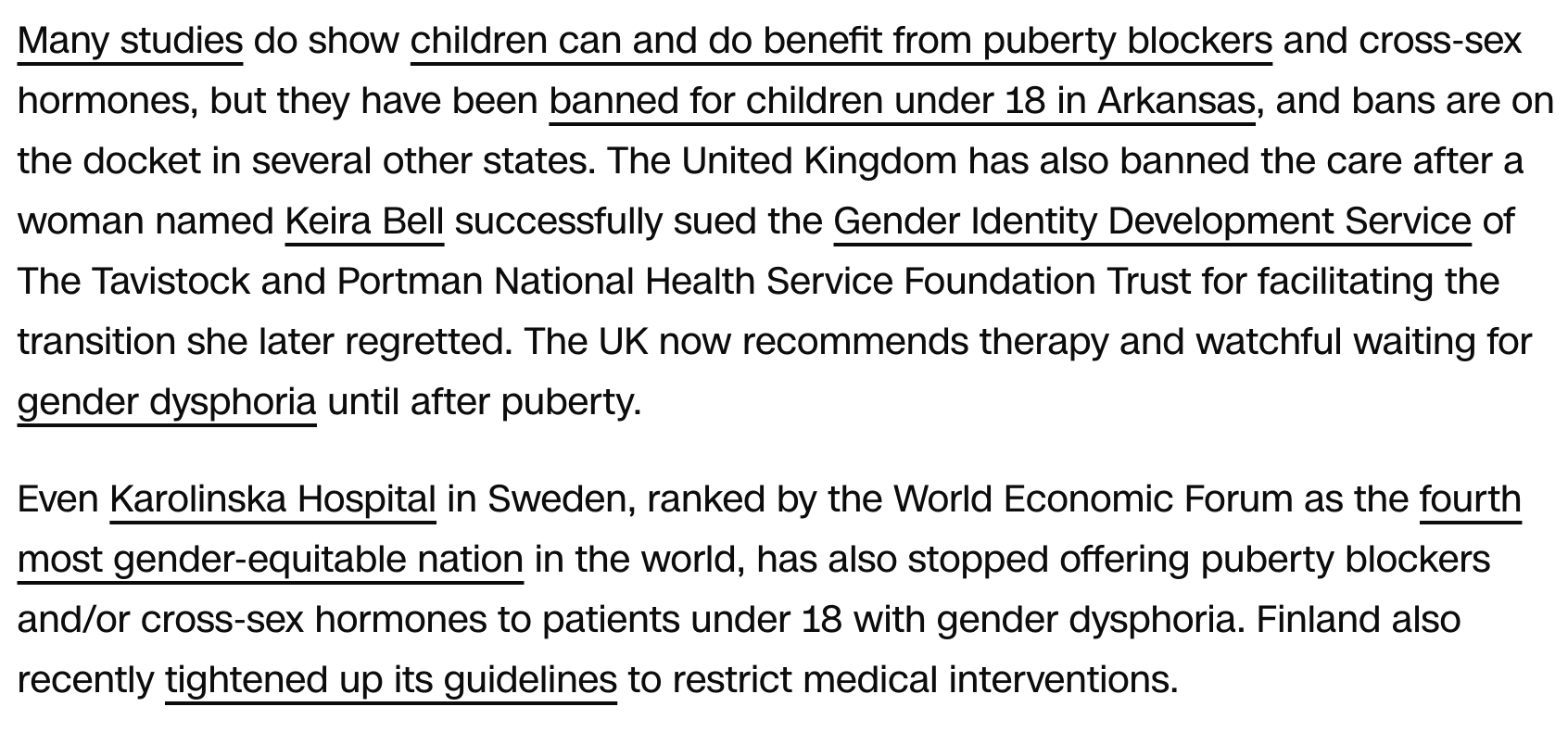
Jesse Singal told me at the time that this was the only mainstream media article to mention those changes in Europe. In fact, it was years before most did (despite my pitch to The New York Times Science section, which I’m sharing as part of “Receipts Week”).
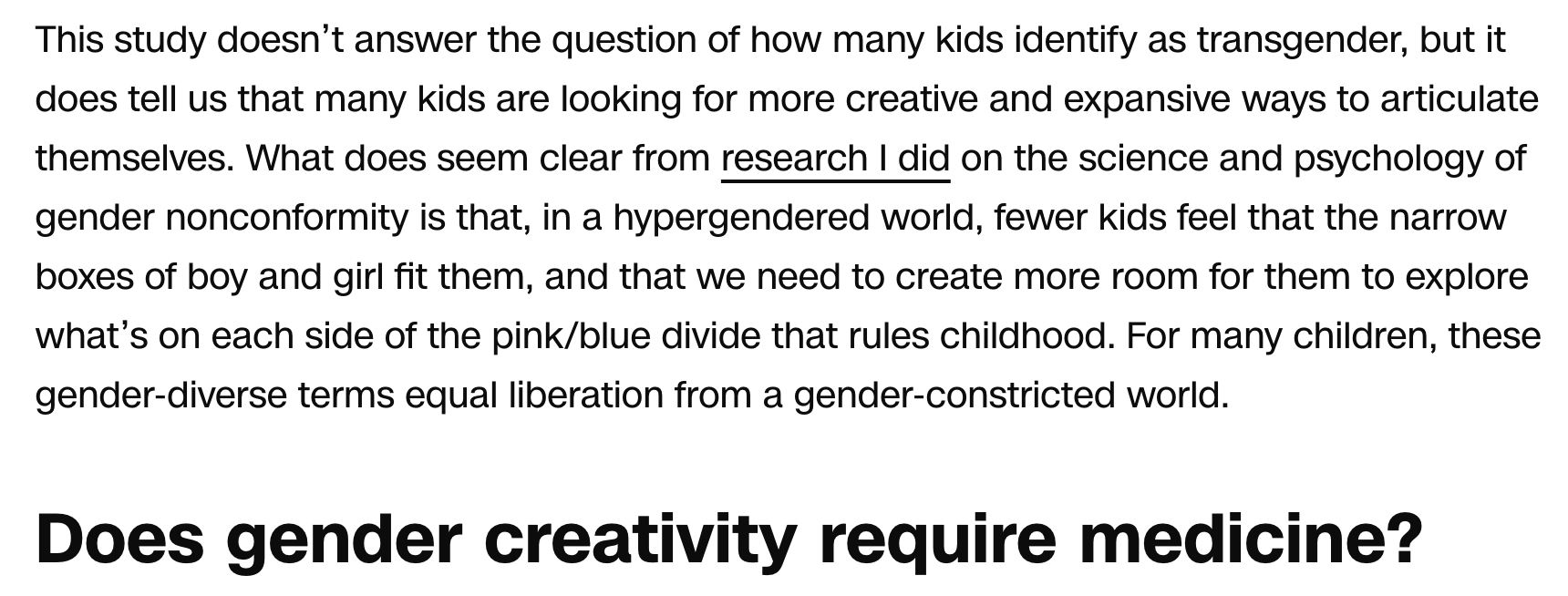
After this, my editor assigned me a story about gender identity—an explainer about what it was. I probably could have just handed in what I decided to write, which was a piece about the different approaches to treating gender dysphoria, and the tensions and controversies. For the piece, I called Stella O’Malley and Sasha Ayad, who had launched the podcast Gender: A Wider Lens—at the time, one of the only places where anyone could get a deep and skeptical examination of the trans kid phenomenon. I interviewed Jules Gill-Peterson. I called Jack Turban. I have interviewed hundreds and hundreds of people in my career, but he was probably the rudest. And I interviewed many others.
But before I turned in the piece, I decided to come clean to my editor and to her boss, who was very high up on the editorial side. I told them the whole story: ROGD kids and the poor research and the controversies over the affirmative approach. I told them that I thought we were reporting the story wrong, that there was a major medical scandal, that kids were getting hurt, that I wanted to write the whole big story but wanted to start with this one about treating gender dysphoria.
They told me: That’s not the story we assigned. That’s not the story we want. We don’t want to break that story, but if someone else does, we can follow up. And, anyway, we wouldn’t let a freelancer do this.
I wrote just a few more stories for them before they stopped hiring me altogether.
I repeated a version of this for an editor at The New York Times Opinion section. I have not had a piece there since 2020.
These experiences led me to start this Substack, but of course I did not want to be on my own. I wanted to be edited. I wanted to be integrated into mainstream stories about the issue. I wanted people who weren’t already in agreement with me to see these ideas and facts in sources they trusted.
When I look back on this piece from 2021, I wonder what would have happened if I’d kept my mouth shut, but just kept inserting these disrupting tidbits into the articles. What if I had kept writing that way, and they kept writing “analysis,” which was fine—someone should have been analyzing those studies, not just writing stories as press releases, as I’d been doing in part so I could gather as much information as possible.
Lately I’ve been haunted by this counterfactual, wondering if I did the wrong thing by “coming out.” Would I have been more useful if I’d continued riding that line?
Well, just as kids who transition will never know if they would have been fine if they hadn’t, I can’t know what would have happened if one mainstream media outlet had told the truth. But I’m glad that we at least have this one receipt to show us that the information was out there.
Lisa, your instincts as a journalist were correct. You were keeping your editors in the loop, trying to give them a sense of why you wrote the story the way you did, with a sense of the broader picture. On any other assignment, this would have established you as their go-to.
You could not have known at that point how everything would become so twisted up.
I believe you are finding yourself in the same quagmire as many of us parents of trans-ideology captured young people - that uncomfortable state of “what if I had done this instead”. Just as many of us have concluded, I hope you keep moving forward and never stop trying to have your voice heard on this. Your writing has been a godsend for me and my sanity in the face of this trans madness that has stolen my son, as I’m sure it has been for many of us families affected by this. I’m sure you would like to reach a wider audience, and I hope for that for you. Your measured, compassionate tone on this topic is invaluable. Maybe we will someday see the day when major media sources eat crow on their previous treatment of transgender ideology - and that would be marvelous to take back the discussion from the fanatic fringes on either side of the transgender divide.